In the grand tapestry of the fashion and retail industries, there has been a profound shift in how consumers interact with the garments they wear. For decades, the dominant model was mass production—a one-size-fits-all approach that prioritized volume and uniform aesthetics over individual expression. Today, however, that paradigm is shifting at breakneck speed. The modern consumer no longer wants to conform to pre-existing molds; instead, they expect their clothing to adapt to their unique lifestyles, body types, and personal brands. This evolution has thrust custom apparel companies into the spotlight, transforming them from niche, novelty operations into central pillars of the global economy.
The importance of the custom apparel sector cannot be overstated. These companies are redefining what it means to manufacture, market, and wear clothing. By merging innovative technology with a deep understanding of consumer psychology, custom apparel providers are offering an unprecedented level of personalization. In this comprehensive exploration, we will delve into the multifaceted benefits and profound impacts of this booming industry, exploring its influence on self-expression, technological advancement, economic growth, corporate identity, and environmental sustainability.
The Shift Toward Personalization and Self-Expression
In the grand tapestry of the fashion and retail industries, there has been a profound shift in how consumers interact with the garments they wear. For decades, the dominant model was mass production—a one-size-fits-all approach that prioritized volume and uniform aesthetics over individual expression. Today, however, that paradigm is shifting at breakneck speed. The modern consumer no longer wants to conform to pre-existing molds; instead, they expect their clothing to adapt to their unique lifestyles, body types, and personal brands. This evolution has thrust custom apparel companies into the spotlight, transforming them from niche, novelty operations into central pillars of the global economy.
The importance of the custom apparel sector cannot be overstated. These companies are redefining what it means to manufacture, market, and wear clothing. By merging innovative technology with a deep understanding of consumer psychology, custom apparel providers are offering an unprecedented level of personalization. In this comprehensive exploration, we will delve into the multifaceted benefits and profound impacts of this booming industry, exploring its influence on self-expression, technological advancement, economic growth, corporate identity, and environmental sustainability.
The Shift Toward Personalization and Self-Expression
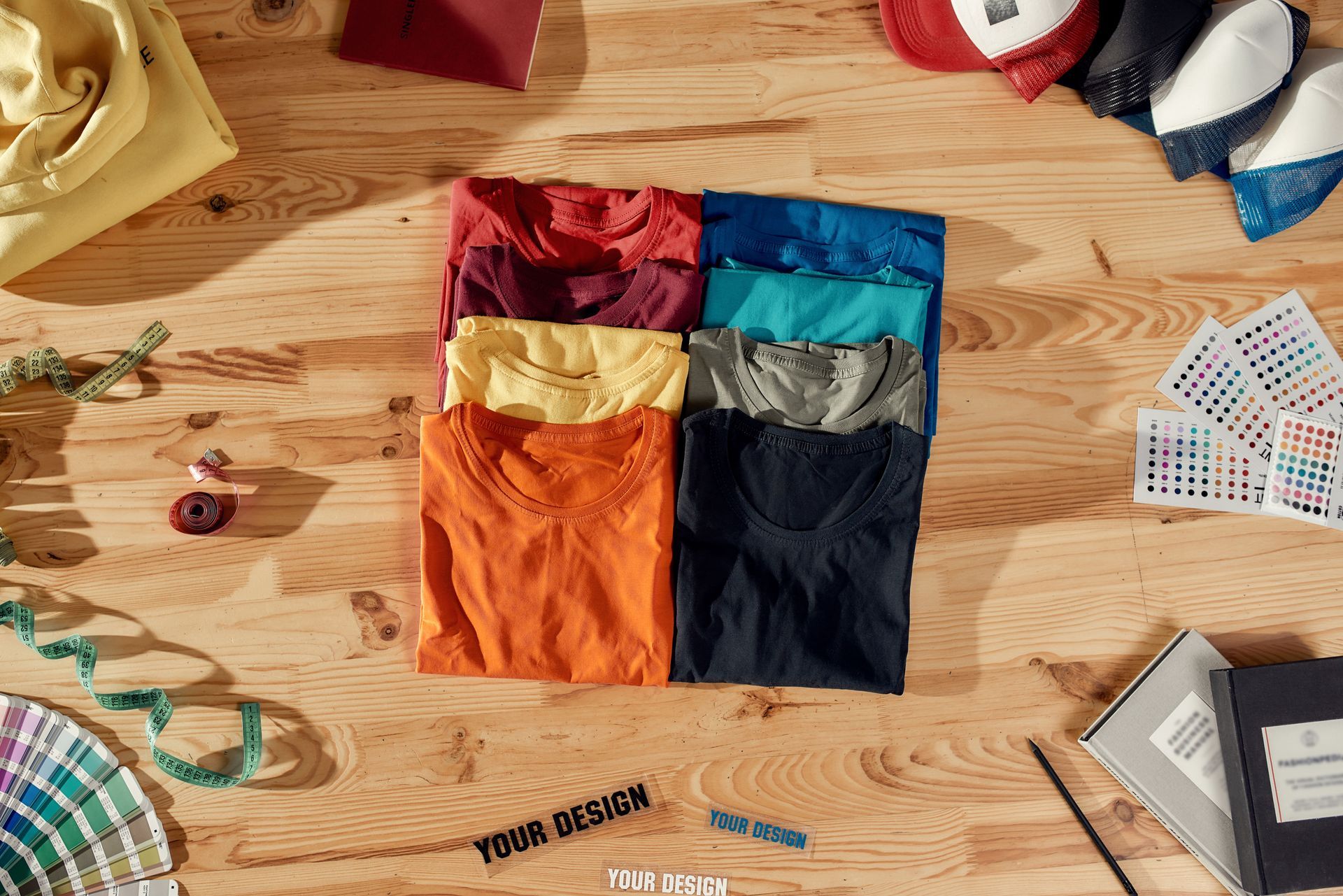
At the heart of the modern clothing industry is a fundamental desire for self-expression. Historically, tailoring and personalized garments were luxuries reserved exclusively for the wealthy. Today, the democratization of fashion means that everyone has the opportunity to curate a wardrobe that is distinctly their own. The desire for individualized clothing is unmistakable. In fact, 80% of consumers consider personalization important to their shopping experience.
This demand is largely driven by younger generations. Millennials and Gen Z seek apparel that reflects their unique identities. These consumers view fashion as an extension of their personal brand, an ethos heavily influenced by the rise of social media and fashion influencers who champion exclusivity and originality. As personalized fashion gains visibility and popularity, consumers are moving away from ubiquitous fast fashion. Currently, one in three consumers prefers buying personalized products.
The United States stands at the forefront of this personalized revolution. The nation represents one of the largest and most digitally advanced markets, with 58% of U.S. consumers purchasing at least one personalized clothing item annually. Additionally, more than 48% of online shoppers seek at least one personalized clothing item per year, which contributes to rising global order volumes.
Technological Advancements Fueling the Industry
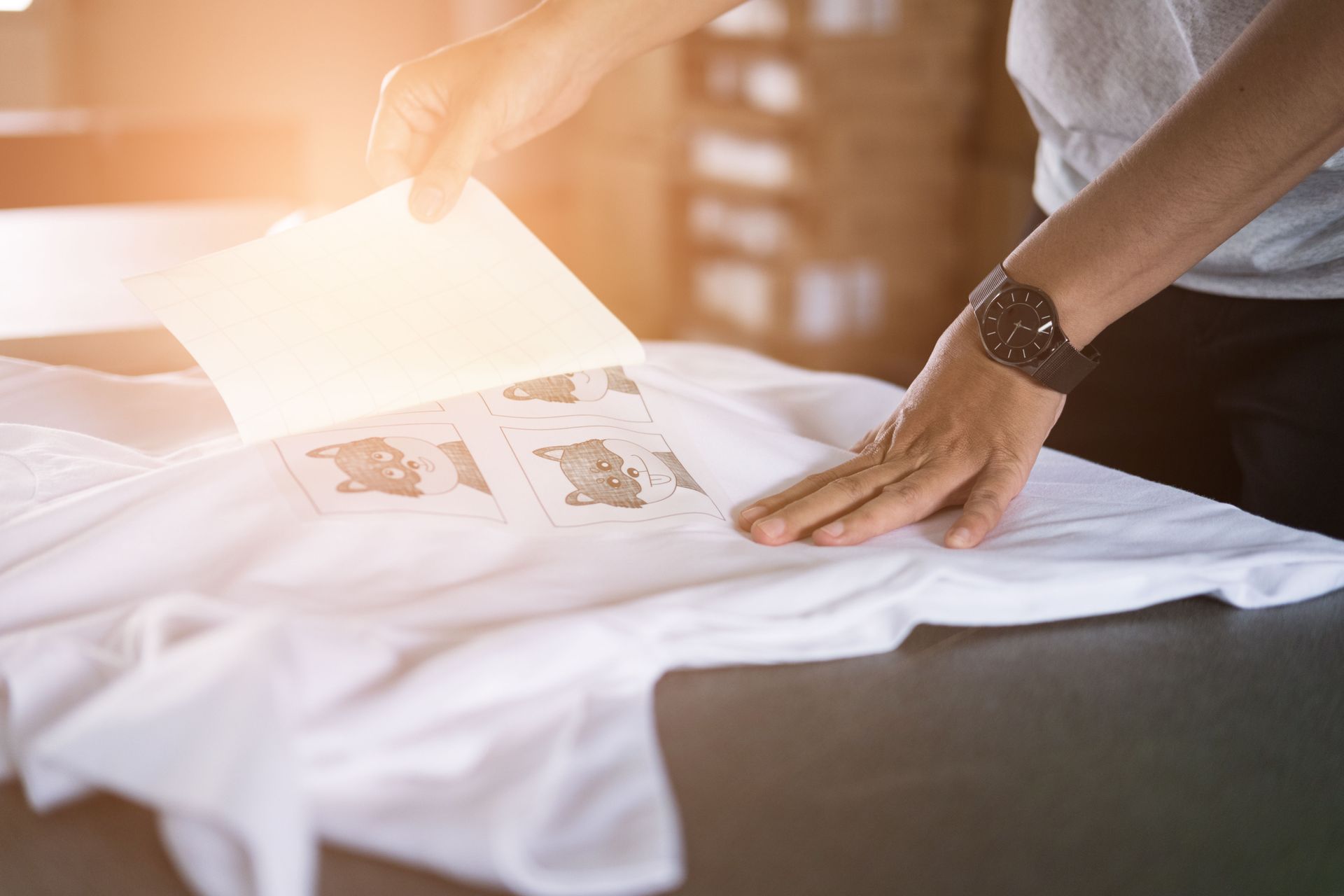
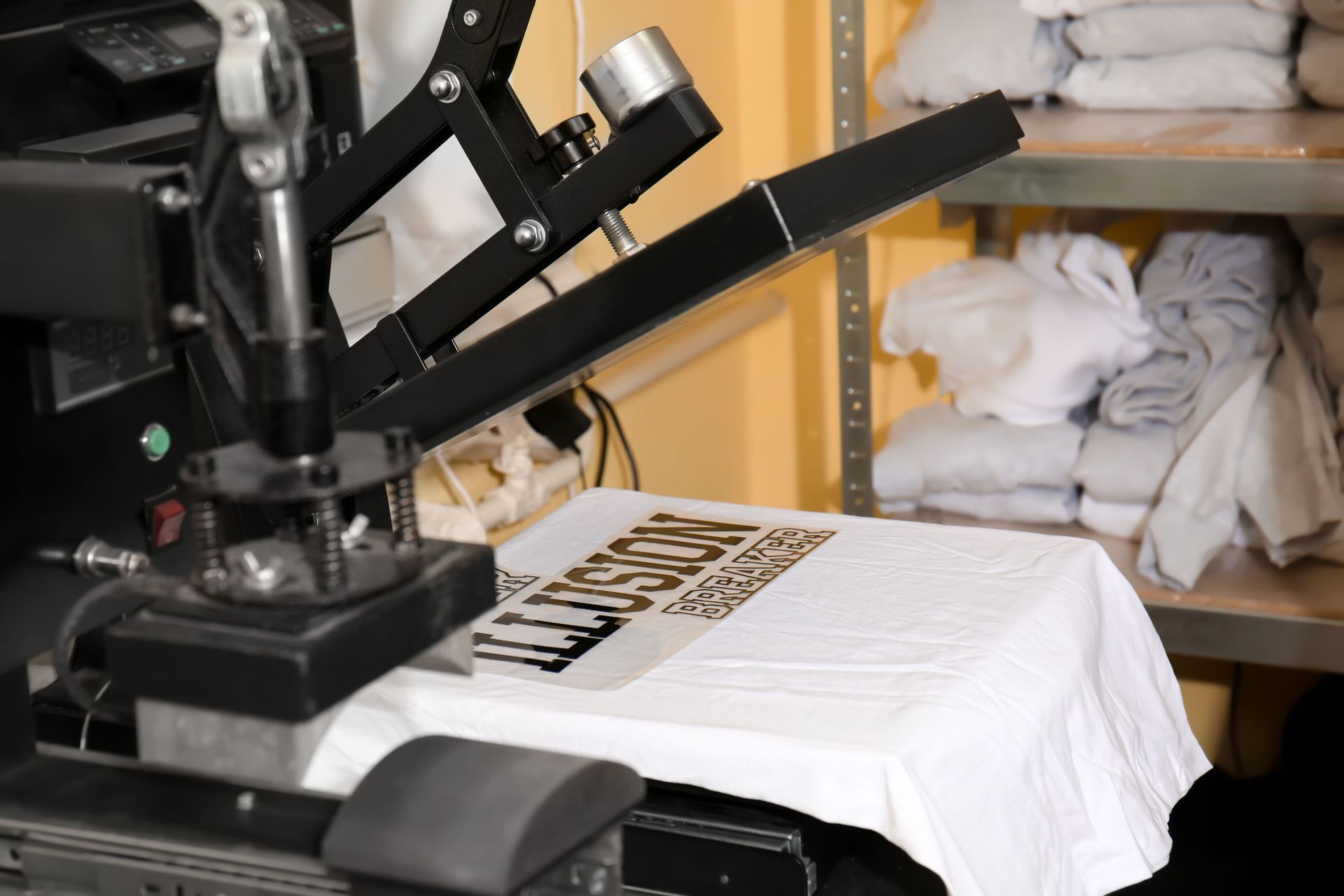
The rapid rise of personalized fashion would be impossible without the incredible technological advancements that have reshaped manufacturing. Custom apparel companies are no longer just clothing manufacturers; they are highly advanced tech enterprises. Technological innovations such as direct-to-garment (DTG) printing, 3D printing, and automated embroidery have made high-quality customization more accessible and affordable than ever before.
Among these technologies, direct-to-garment printing has been particularly revolutionary. DTG printing now dominates the industrial printer market with a 68.6% share. This technology allows for high-resolution, small-batch production that is both accessible and affordable.
The consumer-facing technology is equally impressive. More than 36 million Americans currently engage with online tailoring platforms that offer customizable fabrics, styles, and measurements. The integration of advanced software has also helped streamline the fitting process. The industry is seeing a 58% adoption rate of 3D body-scanning tools and a 47% integration of AI-enabled style recommendations, which shape emerging market trends. These virtual fitting technologies are not just gimmicks; they actively improve supply chain efficiency for brands by reducing return rates by nearly 28%.
Economic Impact and Market Growth
The economic footprint of custom apparel companies is staggering, creating jobs and driving substantial revenue on a global scale. The market has transformed from a niche offering to a global powerhouse. To grasp the sheer scale of the labor force involved: According to the US BLS, about 72,000 people work in the custom textile industry.
Financially, the projections indicate massive, sustained growth. The global custom apparel market is projected to reach between $54.9 billion and $59.75 billion in 2025. Looking further ahead, forecasts suggest this figure will rise to $145.9 billion by 2033, expanding at a compound annual growth rate (CAGR) of roughly 9.8%.
In the United States specifically, the market is poised for exceptional expansion. The U.S. custom apparel market is projected to grow from USD 678.40 million in 2024 to an estimated USD 1,255.41 million by 2032, achieving an 8% CAGR from 2024 to 2032. This growth is distributed across the country, with major urban hubs like New York, Los Angeles, and Chicago leading the way. The West Coast leads in adoption due to its strong culture of innovation, followed closely by the East Coast. Meanwhile, the Midwest and Southern regions are also witnessing steady growth as local designers adopt customization technologies.
Brand Identity and Corporate Utility
Custom apparel companies provide critical services beyond individual consumer fashion; they are indispensable to the corporate world. Today's custom apparel business has moved well beyond novelty tees and occasional event orders. Buyers now expect branded apparel to do real work.
For modern businesses, custom clothing is a strategic asset. It has to support launches, unify teams, sell merch, and reinforce company identity. When employees wear high-quality, customized gear, it fosters a sense of belonging and professional unity. From tech startups providing branded hoodies to new hires, to massive restaurant chains outfitting their staff, custom apparel acts as a walking billboard and a tool for team cohesion.
The sheer volume of this sector is immense. Corporate uniforms, sports apparel customization, and wedding attire generate over 12 million customized pieces per year. In fact, these specific sectors—corporate, wedding, luxury fashion, and uniform manufacturing—each contribute over 10% to annual custom clothing demand. Furthermore, reflective apparel is gaining momentum. Originally designed for safety and athletic applications, reflective finishes are crossing into mainstream fashion and athleisure. The reflective market alone is expected to grow by 5.7 million units over the next four years, proving that functional, branded clothing is evolving into high-fashion territory.
Sustainability: A Greener Fashion Future
Perhaps one of the most critical roles custom apparel companies play today is in driving the fashion industry toward a more sustainable future. Traditional fashion manufacturing is notoriously resource-heavy and wasteful, often relying on massive inventory runs that result in unsold garments ending up in landfills. The custom model turns this wasteful process on its head.
The shift towards sustainability in fashion, with a focus on reducing overproduction, has driven demand for custom, made-to-order apparel. By producing garments only after they are ordered, custom apparel companies minimize waste and align perfectly with modern eco-conscious values. Sustainability is no longer a nice-to-have; it is a must.
Technological shifts also support environmental goals. Water-based DTG inks are helping reduce the industry's environmental footprint. Moreover, forward-thinking brands are pioneering circular economy models; for instance, the brand Teemill in the U.K. allows customers to return old t-shirts for recycling and reuse. This on-demand, no-inventory production model empowers both startups and established brands to move fast and stay flexible while heavily reducing their ecological impact. Reach out to Metro Promotional Services today to see how we can help you!